 Skip to Content

New York City subway injury lawyer: Urgent Steps to Protect Your Transit Accident Case

New York City subway injury lawyer: Urgent Steps to Protect Your Transit Accident Case
Litigating a personal injury claim stemming from an accident on the New York City subway system or the Staten Island Railway presents a unique array of procedural challenges that differentiate it fundamentally from standard personal injury lawsuits against private entities. The key distinction lies in the defendant’s status as a governmental public authority, which affords it specific legal protections and imposes rigorous preliminary requirements on the claimant. Understanding these strict rules and acting immediately is non-negotiable for anyone seeking compensation from the Metropolitan Transportation Authority (MTA).
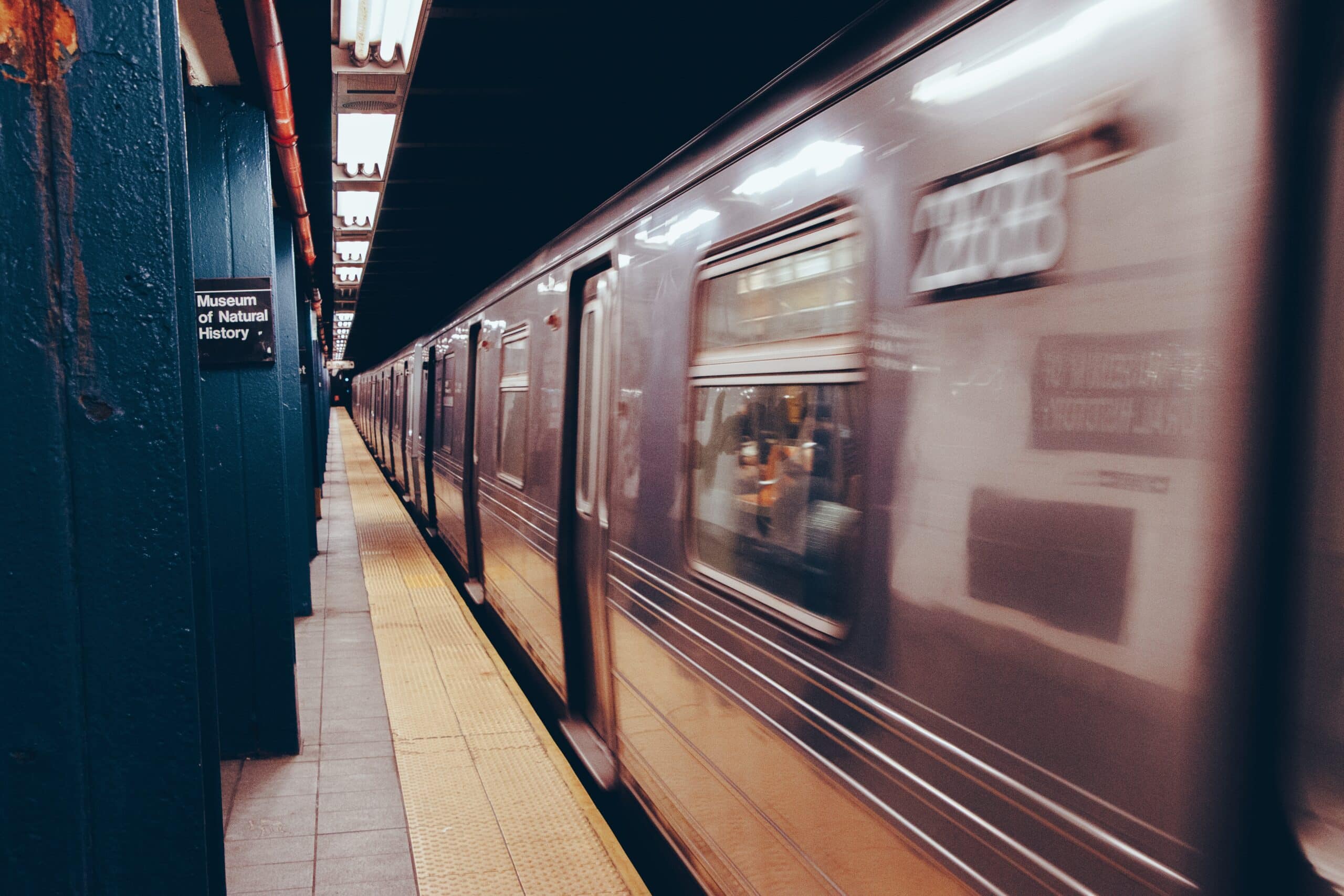
Understanding MTA Liability: When the New York City subway injury lawyer Gets Involved
The Metropolitan Transportation Authority (MTA) is not a simple private corporation; it is a public benefit corporation established by New York State. This status makes the MTA, along with its subsidiaries and affiliates, a “public authority.”
The MTA structure involves layered liability through its operational subsidiaries. Claims arising specifically from incidents on the Staten Island Railway (SIR) are governed by the Staten Island Rapid Transit Operating Authority (SIRTOA), while the main subway lines fall under the jurisdiction of the New York City Transit Authority (NYCTA). A successful legal strategy must precisely identify the correct public entity responsible for the specific location and cause of the injury.
While the doctrine of sovereign immunity—which historically protected governmental agencies from lawsuits—no longer applies to the MTA, its classification as a public authority continues to introduce complexities into litigation.
The Jurisdictional Triad
A sophisticated legal analysis often requires simultaneously targeting multiple entities, a concept known as the Jurisdictional Triad. If a train derailment occurs due to a faulty signal, the claim must consider the general oversight negligence of the MTA, the operational failure or maintenance lapse by the subsidiary (NYCTA or SIRTOA), and potentially the equipment manufacturer. Targeting the manufacturer is particularly important because they are typically private entities and are not shielded by the specialized procedural defenses available to public authorities.
Statutory Duty of Care
The foundational principle for all transit injury cases is the duty of care. The NYCTA and its associated entities, including SIRTOA, have an established legal duty to maintain their systems and property to ensure the safety of all passengers. A claim arises when the injured party can prove that the agency neglected this duty—whether through direct human error, poor maintenance, or defective equipment. Proof of negligence against the MTA can be multifaceted, covering areas such as train operator error, poor track maintenance, signal failures, or inadequate station upkeep.
Common Causes of Serious Injuries on NYC Transit Lines
Injuries on the MTA system can be categorized into operational failures (involving moving trains or buses) and premises defects (hazards in stationary areas like stations and platforms). Both types of incidents require specific legal focus.
Direct Operational Negligence
Operational negligence claims focus on the actions or inactions of MTA employees, specifically the train or bus operators. Common causes include:
- Operator Error: Running red lights, failing to adhere to traffic laws, or train operator error leading to collision.
- Sudden Stops or Starts: Injuries caused by sudden, violent movement that throws passengers against hard surfaces.
- Excessive Speed: Taking turns or approaching stations at an excessive or unsafe speed.
Institutional negligence may also be established if the MTA failed to provide adequate training to operators or ignored documented internal safety protocols or maintenance issues.
Systemic Equipment Failure
Systemic mechanical or infrastructure defects are frequently the root cause of catastrophic accidents, such as derailments or collisions.
- Track and Signal Systems: Poorly maintained tracks or malfunctioning train signals can lead to derailments and collisions.
- Mechanical Malfunctions: Equipment failure includes incidents involving malfunctioning elevators or escalators within stations, faulty train doors, or electrical malfunctions that can lead to shocks or electrocution.
- Pivoting to Systemic Failure: When direct operator error is difficult to prove, the legal focus pivots to systemic failure, demonstrating poor maintenance that left a specific signal or track segment prone to failure.
Premises Liability in Stations and Platforms
Injuries occurring within the stationary parts of the transit system—platforms, stairwells, ticketing areas—are treated under premises liability rules, though they are complicated by the MTA’s governmental status. Hazards commonly seen include:
- Slippery or Defective Flooring: Floors that become slippery due to weather or spills, broken steps, uneven surfaces, or excessive gaps between the platform and the train.
- Inadequate Lighting: Poor or absent lighting, particularly in underground stations, reduces visibility and can cause passengers to trip and fall.
- Security Failures: Inadequate security measures, such as a lack of surveillance cameras or police presence, may lead to injuries resulting from criminal activity or violence on MTA property.
The Unique Notice of Claim Requirements for the MTA
The procedural requirements for suing the MTA are jurisdictional; they must be met precisely and timely for the court to even hear the case.
The Absolute 90-Day Notice of Claim Deadline
Any party intending to sue the MTA, NYCTA, or SIRTOA must serve a formal document known as a Notice of Claim (NOC) on that public entity within 90 days of the date the claim arose.
- Fatal Consequence: The absolute nature of this 90-day period cannot be overstated. Failure to file and serve the NOC correctly and within this extremely narrow timeframe results in the forfeiture of the claimant’s right to seek compensation.
- Required Content: The Notice of Claim is a formal, technical document that must be sworn to before a notary public. It must detail the claimant’s information, the exact nature of the claim, the precise time, place, and manner in which the claim arose, and the injuries sustained. Vague or inaccurate descriptions can be used by the defense to undermine the claim.
- Service Protocols: The NOC must be served upon the correct municipal agency either by personal delivery or via registered or certified mail. Obtaining and preserving proof of this proper and timely service is crucial.
The Statutory Examination: GML §50-h Hearing
Following the timely filing of the Notice of Claim, the MTA has the right to demand a GML §50-h hearing. This statutory hearing is a pre-litigation examination conducted under oath, functioning much like a deposition.
The testimony provided is recorded and can be introduced and used by the defense during any subsequent trial. This procedure is strategically positioned by the public authority to test the claimant’s credibility and the detailed facts of the case before a formal lawsuit is filed. Thorough preparation with a lawyer before attending this hearing is essential.
The Timeline Hurdle: Commencing Litigation
Even after the NOC is filed and the 50-h hearing is conducted, the actual lawsuit must be initiated within a definitive window: typically one year and 90 days from the date of the accident. This two-tiered timeline requires precise management by legal counsel.
Proving Operator Negligence or Defective Equipment Failure
To secure compensation, the claimant must successfully demonstrate that the MTA or its employees acted negligently and that this specific negligence was the direct cause of the injuries.
Compelling Data from Event Recorders (“Black Boxes”)
In operational accident cases, especially those involving collisions or sudden braking, the train’s event recorder, or “black box,” is the most critical piece of evidence. This data captures essential operational information moments before an incident, including the train’s speed, throttle position, and brake application, providing definitive proof of operator error or systemic failure.
To mitigate the risk of data destruction, your legal counsel must immediately issue a formal Notice of Preservation to the MTA, legally mandating that all physical and electronic evidence related to the incident, including maintenance logs, inspection reports, and CCTV footage, be secured.
Overcoming the Prior Written Notice Hurdle
While proving operational negligence relies on data and logs, proving liability for passive premises defects (like an old, broken stair or a crack in the platform) is often blocked by the MTA’s most formidable defense: the requirement of Prior Written Notice (PWN).
PWN mandates that the claimant prove the public entity received specific written notification of the defect before the injury occurred. If a statute requires PWN, the common-law doctrine of constructive notice (meaning the hazard existed long enough that the MTA should have known) is often legally useless.
Exceptions to Written Notice
Because the PWN standard is so difficult to meet, a specialized legal strategy will focus on the narrow exceptions:
- Affirmative Act of Negligence: Where the MTA created the defect or hazard through an active act of negligence (e.g., an MTA construction crew leaves materials on the platform that cause a trip-and-fall).
- Special Use: Where the public entity derived a special benefit from the hazardous area (e.g., a specific maintenance access cover).