Website Image Skip to Content

Unmasking Hidden Dangers: Your Guide to Staten Island Premises Accident Claims
10.6.2025 Brian O'Connor Category: Premises Liability

We expect the properties we visit every day—from grocery stores and apartment buildings to public parks and private homes—to be reasonably safe, yet Staten Island premises accidents still happen. New York law places a clear “duty of care” on property owners and managers to maintain their premises in a way that prevents foreseeable harm to visitors. Yet, tragically, this duty is often neglected. A hidden hazard, a moment of carelessness, or a failure to address a known danger can lead to a devastating accident anywhere on Staten Island.

These incidents, which fall under an area of law known as “premises liability,” can leave victims with serious injuries and significant financial burdens. Understanding your rights is the first step toward holding the negligent property owner accountable. This guide is designed to help Staten Island residents navigate the complexities of a Staten Island premises accident claim. At O’Connor Law Firm, we are dedicated to ensuring that those injured by unsafe property conditions receive the justice and compensation they are owed.


Common Causes of Staten Island Premises Accidents

A dangerous condition can exist in countless forms, but most premises accidents arise from a handful of common scenarios:

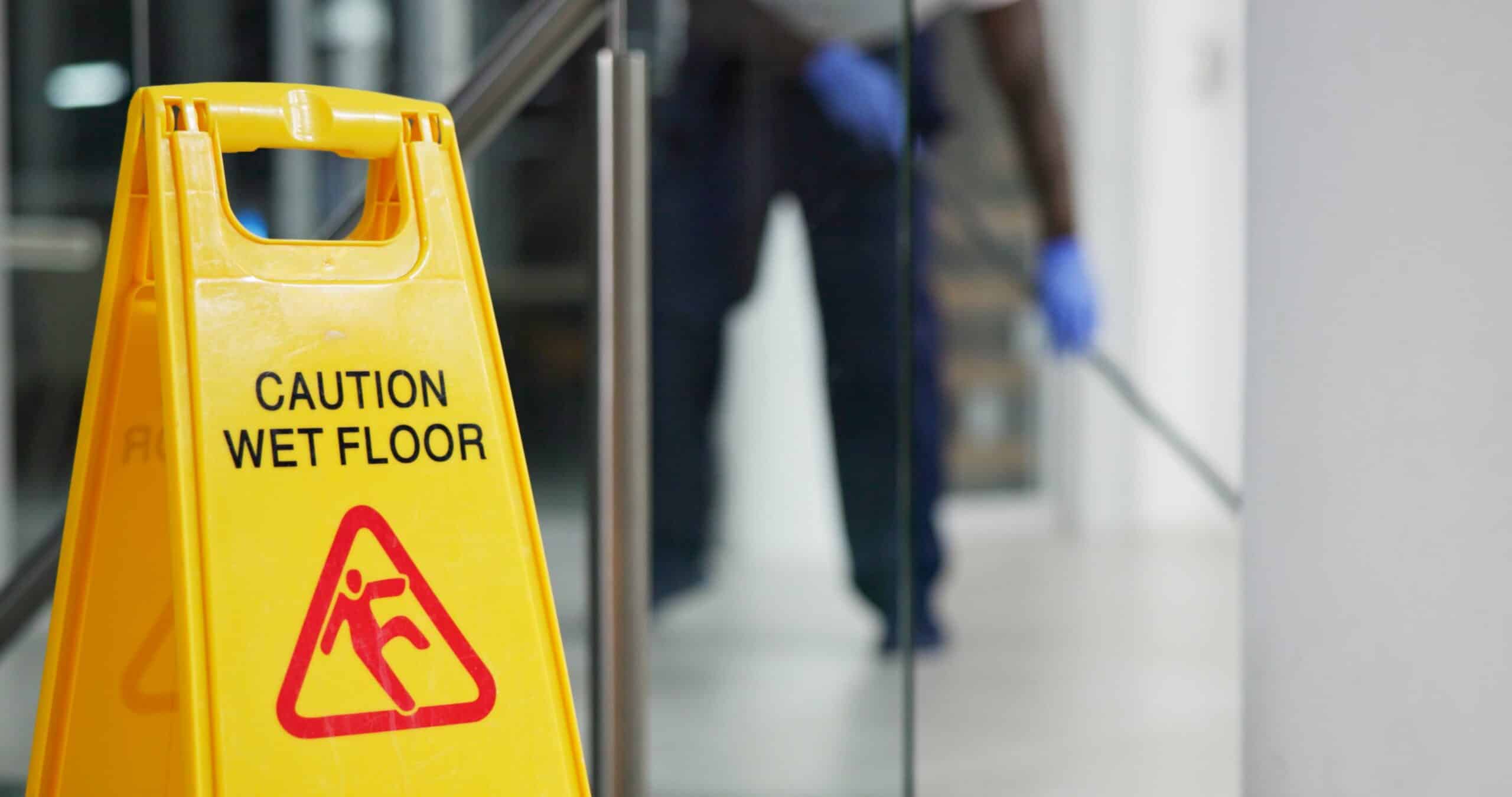
  • Slip, Trip, and Fall Incidents: These are the most frequent type of premises claim. They can be caused by icy or snowy sidewalks that were not properly cleared, wet floors without warning signs, uneven or cracked pavement, or defective stairs with broken steps or missing handrails.
  • Inadequate Property Maintenance: Accidents are often a direct result of neglect. This includes hazards like faulty floorboards, torn carpeting that creates a tripping hazard, broken railings on balconies or stairwells, or sharp objects left in walkways.
  • Negligent Security: Property owners in certain areas have a duty to provide adequate security to protect visitors from foreseeable criminal acts. This can include having proper lighting in parking lots and hallways, functioning locks on doors, and appropriate security personnel.
  • Elevator and Escalator Malfunctions: Sudden stops, misleveling, or door malfunctions can cause severe injuries.
  • Falling Objects: In retail stores or warehouses, merchandise that is improperly stacked can fall and strike a customer. In buildings, ceiling collapses or falling debris can cause serious harm.
  • Animal Attacks: Pet owners have a responsibility to restrain their animals, and a failure to do so can lead to a dog bite or other animal attack claim.


Proving Negligence: The “Knew or Should Have Known” Standard

The core of any successful Staten Island premises accident claim is proving that the property owner was negligent. It is not enough to show that you were injured on their property; you must prove that the owner knew, or reasonably should have known, about the dangerous condition and failed to take action to correct it or warn you about it. This legal standard is broken down into two types of “notice.”

  • Actual Notice: This is the most straightforward standard to prove. It means the property owner had direct knowledge of the specific hazard. For example, if another customer reported a spill to a store manager, the store has “actual notice.” If they then fail to clean it up and someone falls, they are likely liable.
  • Constructive Notice: This is more common and complex. “Constructive notice” means the dangerous condition existed for a long enough period of time that the owner should have discovered it through the course of reasonable inspection and maintenance. For instance, a large pothole in a store’s parking lot that has clearly been there for weeks or a broken stair that is visibly rotted would constitute constructive notice.
A collapsing and dilapidated ceiling, showing the kind of dangerous condition that can lead to a Staten Island premises accident claim.

A collapsing and dilapidated ceiling, showing the kind of dangerous condition that can lead to a Staten Island premises accident claim.

This is why documenting the dangerous condition immediately after an accident is so incredibly important. A photograph of a dirty, grimy puddle of liquid, for example, helps prove it was there for a long time, establishing constructive notice.


Your Rights and Recoverable Damages After a Premises Accident

Victims of premises accidents are entitled to seek compensation for the full range of their losses.

  • Economic Damages: These are the tangible financial costs associated with the injury, including all past and future medical bills, lost wages from time off work, diminished earning capacity if the injury is permanent, and the cost of disability accommodations.
  • Non-Economic Damages: This category compensates for the human cost of the injury, such as physical pain and suffering, emotional distress, loss of enjoyment of life, permanent disfigurement, and a spouse’s loss of consortium.

New York’s pure comparative negligence rule will also apply. This means that if you are found partially at fault for your own accident (for example, by being on your phone and not looking where you were going), your compensation will be reduced by your percentage of fault.


The Critical Steps to Take After a Staten Island Premises Accident

What you do immediately following an accident can significantly impact your health and the viability of your legal claim.

  1. Seek Immediate Medical Attention: Your health is the first priority. A medical evaluation documents your injuries and links them to the incident.
  2. Report the Incident: Notify the property owner, store manager, or landlord about what happened right away. If possible, ensure an official incident report is filled out and ask for a copy.
  3. Gather Evidence: Use your smartphone to take as many photos and videos as possible of the specific hazard that caused your accident, the surrounding area, and your injuries. For more on why evidence is key in these cases, the National Safety Council provides insight into workplace fall prevention, which underscores the importance of identifying and documenting hazards.
  4. Get Witness Information: If anyone saw what happened, get their name and contact information. Their testimony can be crucial.
  5. Avoid Admitting Fault: Do not make statements like “I should have been more careful” or “I’m okay.” These can be used against you later.
  6. Consult a Lawyer Promptly: Contact a personal injury lawyer experienced in Staten Island premises accident cases before speaking to any insurance adjusters.


Conclusion: Securing Justice on Your Terms

When a property owner’s negligence leads to your injury, you have the right to hold them accountable. Understanding the principles of premises liability and acting quickly to preserve evidence are your first steps toward securing justice. These cases require a thorough investigation and a deep understanding of New York law.

At O’Connor Law Firm, we specialize in unmasking the hidden dangers that lead to injury and have extensive experience fighting for Staten Island residents. We are committed to securing the compensation you need to recover. If you have been injured due to an unsafe property condition, contact us for a free consultation to discuss your premises accident claim.


Please review our Privacy Policy to understand how we handle your personal information.