 Skip to Content

How Can a Manhattan Construction Accident Lawyer Help Secure Damages?
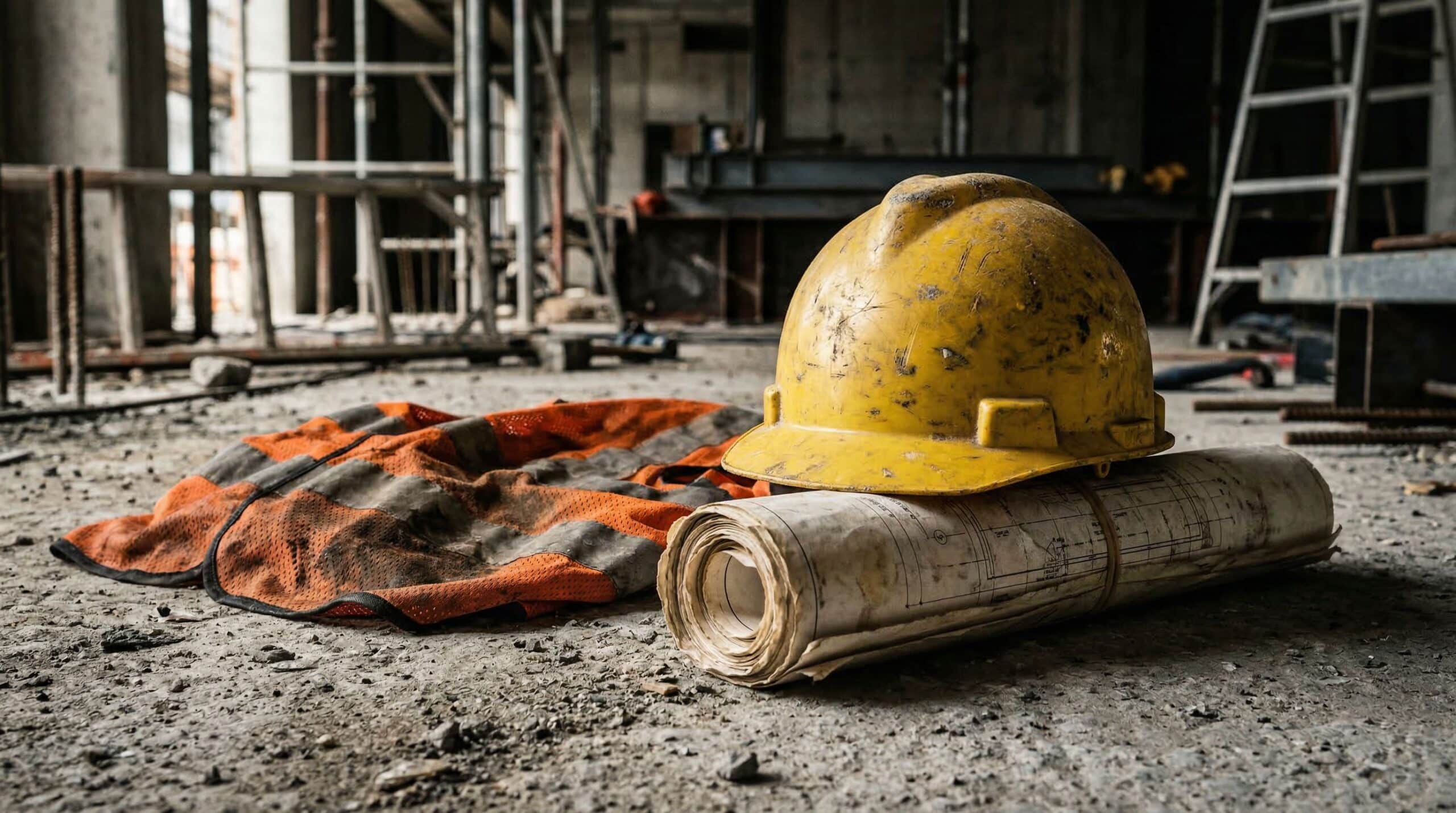
Manhattan’s skyline is a testament to the hard work of thousands of laborers, but the dense vertical landscape of the borough also presents some of the highest risks in the country. If you have been injured on a job site, a Manhattan construction accident lawyer is essential to ensuring you secure the damages necessary to cover your medical bills and lost wages. Working in a borough defined by high-rise developments and constant infrastructure repair means navigating unique hazards that require specific legal expertise. At O’Connor Law, we specialize in holding negligent developers and contractors accountable, ensuring that those who build New York City are protected by its strongest laws.
Securing a fair recovery in Manhattan requires an understanding of how third-party negligence intersects with specialized labor protections. This guide explains how you can secure damages after a serious construction injury.
New York Labor Law 240 and 241: Your Rights to Manhattan Construction Accident Lawyer Support
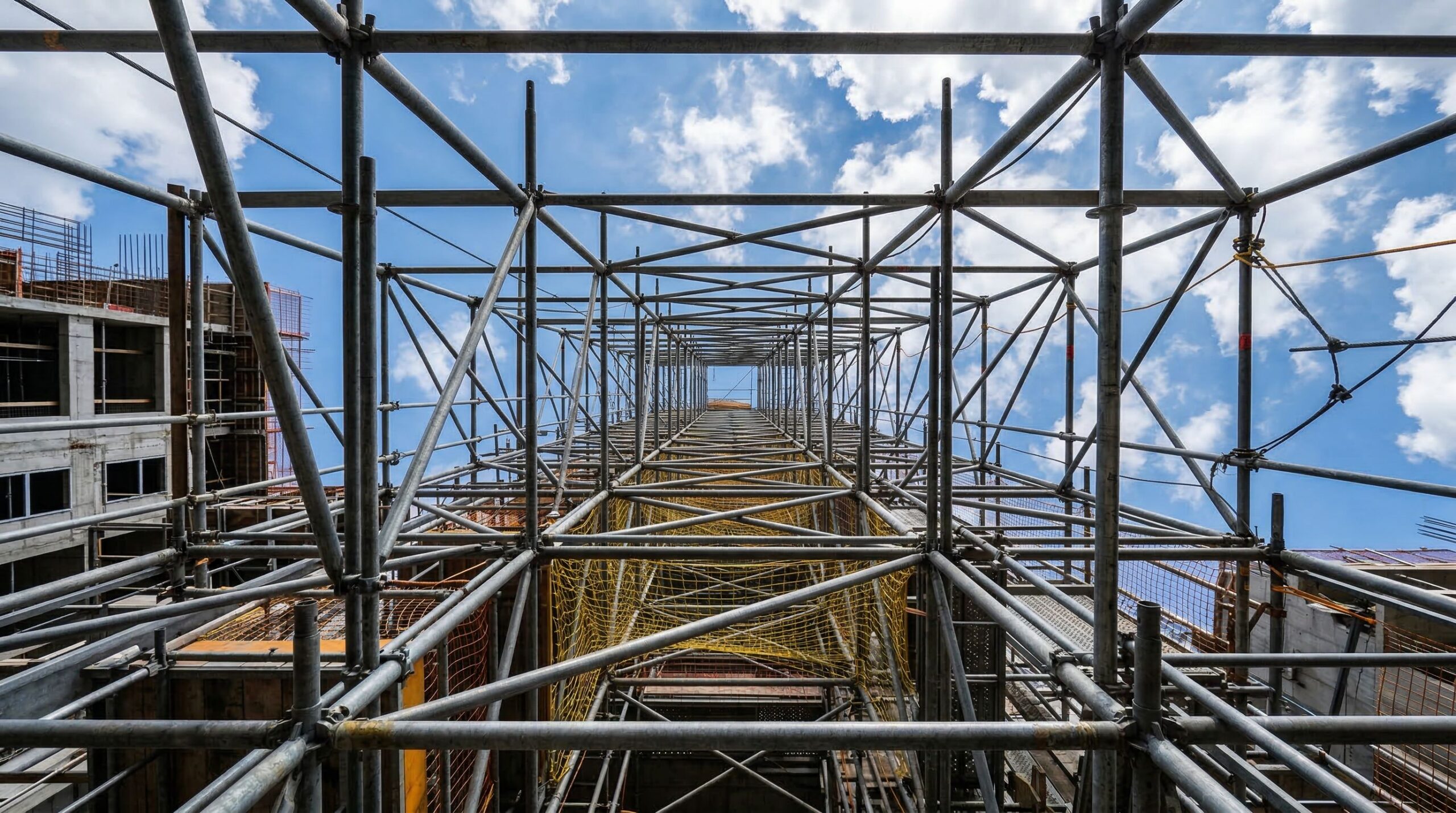
In New York, construction workers are protected by some of the most robust safety statutes in the nation, specifically Labor Law Sections 240 and 241. Known as the “ Scaffold Law,” Section 240 is designed to protect workers from gravity-related risks. This law imposes absolute liability on site owners and general contractors for injuries caused by falls from heights or by objects falling onto workers. Because Manhattan construction often involves extreme elevations, this statute is a primary tool your legal team uses to secure damages without you having to prove that you were entirely “fault-free” in the accident.
Furthermore, Labor Law Section 241(6) requires that all Manhattan job sites comply with the specific safety standards laid out in the New York Industrial Code. This covers everything from trench safety to the proper maintenance of walking surfaces. If a contractor fails to follow these detailed safety rules and an injury occurs, they can be held liable for the resulting damages. A specialized attorney knows how to investigate these sites to find the specific code violations that turn a workers’ comp claim into a significant personal injury lawsuit.
Distinguishing Workers’ Compensation from Negligence Claims
After a job site injury, you will likely be told to file for Workers’ Compensation. While this is a necessary “no-fault” system that provides for basic medical care and a portion of your lost wages, it is rarely enough to support a family in New York City after a catastrophic injury. Workers’ Comp does not provide compensation for your physical pain, emotional suffering, or the loss of enjoyment of life.
To truly secure damages that reflect the total impact of your injury, you must identify a third-party negligence claim. This is a lawsuit filed against a party other than your direct employer—such as the building owner, a general contractor, or an equipment manufacturer. Unlike Workers’ Comp, a third-party claim allows you to seek “non-economic” damages. This distinction is vital for Manhattan workers who may face years of rehabilitation or permanent disability following a high-rise accident.
Proving Contractor or Site Owner Liability in High-Rise Accidents
Manhattan construction sites are notoriously complex, often involving dozens of different subcontractors, developers, and management companies working in a small, crowded footprint. Proving liability requires untangling this web to determine who was responsible for the “means and methods” of the work being performed.
A dedicated legal investigation involves reviewing site safety logs, analyzing surveillance footage, and interviewing witnesses before evidence is cleared from the site. Site owners and general contractors often try to shift blame onto smaller subcontractors to avoid their financial obligations under the Labor Law. Your attorney’s job is to prove that the party at the top of the chain failed to provide the necessary safety equipment or supervision required to prevent the accident, ensuring that the burden of the injury stays with the negligent party rather than the injured worker.
Common Causes of Construction Injuries as Manhattan Activity Ramps Up
As building activity continues to expand across Manhattan, workers face an evolving list of hazards. The borough’s density creates unique risks that aren’t as prevalent in more suburban environments:
- Falls from Heights: Whether from scaffolding, ladders, or unprotected floor openings, falls remain the leading cause of fatal injuries on Manhattan sites.
- Crane and Hoist Failures: The use of massive cranes in tight urban corridors presents risks of mechanical failure or improper rigging that can lead to catastrophic site collapses.
- Falling Objects: In a vertical city, tools or building materials falling from high floors can cause devastating injuries to workers on lower levels or even pedestrians.
- Sidewalk Shed and Scaffolding Collapses: Poorly maintained or improperly erected temporary structures can fail under the weight of debris or weather, leading to multiple injuries.
- Struck-By Accidents: With heavy machinery operating in confined spaces, workers are frequently at risk of being struck by moving vehicles or equipment.
Why O’Connor Law is the Leading Manhattan Construction Accident Lawyer for Complex Cases
Successfully litigating a construction case in Manhattan courts requires a firm with a proven track record of securing high-value results. Brian O’Connor has a long history of standing up for New York City workers, securing over $10 million in total for clients injured on construction sites. Our firm’s success is built on a foundation of aggressive advocacy and an intimate knowledge of New York Labor Laws.
Our history of results across New York City reflects our commitment to securing maximum compensation for our clients:
- $2,300,000 for a worker who fell from a ladder, resulting in neck, back, and shoulder injuries that required surgery.
- $2,225,000 for a worker who suffered wrist injuries requiring multiple surgeries after falling from a scaffold.
- $2,225,000 for a worker who fell down an elevator shaft.
- $1,750,000 for a worker who required lumbar spine surgery after windows fell on them.
- $1,300,000 for a worker who sustained a concussion, facial lacerations, and shoulder injuries when a hoist snapped.
- $400,000 for a worker injured due to a broken ladder.
We understand that behind every million-dollar verdict is a worker whose life has been forever changed. We treat every case with the urgency and detail it deserves to ensure our clients can afford the care they need for the future.
Contact a Manhattan Construction Accident Lawyer
If you have been injured on a job site, do not leave your family’s future to chance. The laws in Manhattan are powerful, but they are also strictly enforced with specific deadlines. At O’Connor Law, we provide the aggressive, knowledgeable representation required to go head-to-head with the city’s largest developers and insurance carriers.
We offer free consultations to discuss your accident and identify all potential sources of recovery. We operate on a contingency fee basis, meaning we only get paid if we successfully secure damages for you. Contact O’Connor Law today to speak with an experienced Manhattan construction accident lawyer and take the first step toward the justice you deserve.