 Skip to Content

What Are the Essential Steps to Take After an Elevator Accident in Manhattan?
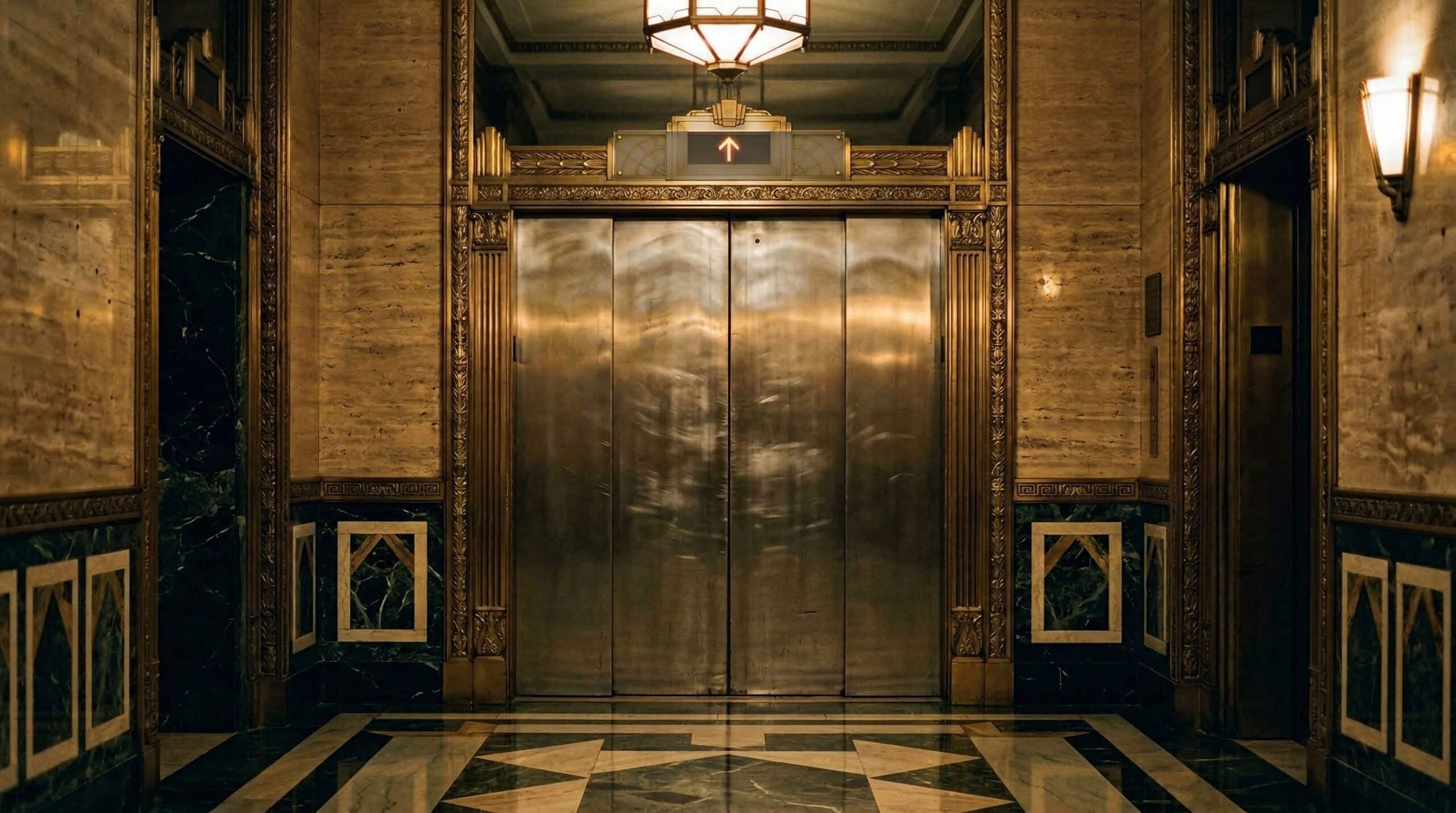
In a city that reaches for the clouds, millions of New Yorkers rely on vertical transportation every single day. While we often take these complex machines for granted, an unexpected malfunction can turn a routine commute into a life-altering tragedy. If you have been injured, a Manhattan elevator accident attorney is vital to navigating the maze of municipal codes and maintenance standards required to hold negligent parties accountable. Property owners in New York have a non-delegable legal obligation to maintain their elevators in a safe condition, and when they fail in this duty, the resulting injuries can be catastrophic.
At O’Connor Law, we specialize in uncovering the maintenance failures that lead to these accidents, ensuring that victims don’t have to carry the financial burden of someone else’s neglect. This guide outlines the immediate actions you must take to protect your health and your potential legal claim.
5 Essential Steps to Take After a Manhattan Elevator Injury
The moments following an elevator malfunction are often filled with confusion and adrenaline. However, taking these five steps is essential for both your physical recovery and the success of any future legal action.
- Seek Medical Attention Immediately: Even if you believe your injuries are minor, you must be evaluated by a medical professional. High-speed drops or abrupt stops can cause internal trauma, concussions, or spinal injuries that may not show symptoms for days. Prompt medical care creates an official record of your injuries, which is the cornerstone of any injury claim.
- Report the Incident to Management: Notify the building owner, property manager, or security immediately. In Manhattan, most major buildings are required to file an official incident report with the New York City Department of Buildings (DOB) for serious accidents. Request a copy of the report or an acknowledgment of your notification for your records.
- Document the Accident Scene: If you are physically able, use your phone to take photos or videos of the elevator’s interior, the floor alignment (misleveling), and the elevator’s inspection certificate. Documentation of the specific defect—such as a door that won’t close or a car that stopped several inches above the floor—is invaluable evidence.
- Identify Potential Witnesses: Gather names and contact information from fellow passengers or building staff who witnessed the malfunction. Their independent testimony can provide critical support if the building owner tries to deny that a malfunction occurred.
- Consult a Manhattan Elevator Accident Attorney: Do not give recorded statements to insurance adjusters or sign settlement offers before speaking with a legal expert. An attorney will immediately move to preserve evidence, such as maintenance logs and surveillance footage, before it can be legally overwritten or destroyed.
Common Causes of Serious Injuries in Manhattan High-Rises
Elevator accidents in the city’s densest borough often stem from a handful of recurring mechanical and electrical failures. Understanding these causes is the first step in proving that an accident was preventable.
The most frequent cause of litigation is misleveling, which occurs when an elevator car stops either too high or too low in relation to the hallway floor. This creates a significant tripping hazard, especially for children and the elderly, and is often a sign of failing brakes or electrical control issues. Another common hazard is door strikes, where malfunctioning sensors or improperly adjusted closing mechanisms cause the heavy doors to impact a passenger with excessive force. In older Manhattan apartments, abrupt stops or “overspeeding” can throw passengers against the cab walls, resulting in severe lumbar or cervical spine injuries.
Proving Negligent Maintenance: The Key to an Elevator Case
To win a case in New York, you must prove that the property owner or their maintenance contractor knew—or should have known—about a dangerous condition and failed to fix it. This is where the paper trail becomes vital. We look for a history of “call-backs” or repeated service tickets for the same issue, which demonstrates that the building was on notice of a persistent defect.
Our legal team also utilizes the doctrine of res ipsa loquitur (“the thing speaks for itself”). This legal principle allows a jury to infer negligence if the accident is the type of event that doesn’t normally happen without someone being careless, such as an elevator suddenly free-falling or traveling with its doors open. Since these machines are in the “exclusive control” of the building and their maintenance company, they are generally held responsible for such erratic behavior.
Understanding Building Owner Liability Under the NYC Building Code
In Manhattan, building owners are governed by the strict NYC Building Code and the Department of Buildings (DOB) regulations. Owners have a non-delegable duty to keep their elevators safe, meaning they cannot escape liability by simply blaming their maintenance company.
Crucially, as of early 2026, the DOB has implemented stricter timelines for safety compliance. Defects found during mandated inspections must now be corrected within 90 days rather than the previous 120-day grace period. Furthermore, by the end of this year, building owners are facing a major deadline to ensure all traction elevators are equipped with dual-plunger brake assemblies or unintended car movement protection to prevent deadly runaway cars. Failure to meet these specific safety upgrades can serve as powerful evidence of negligence in a lawsuit.
The Role of a Manhattan Elevator Accident Attorney in Documenting Defects
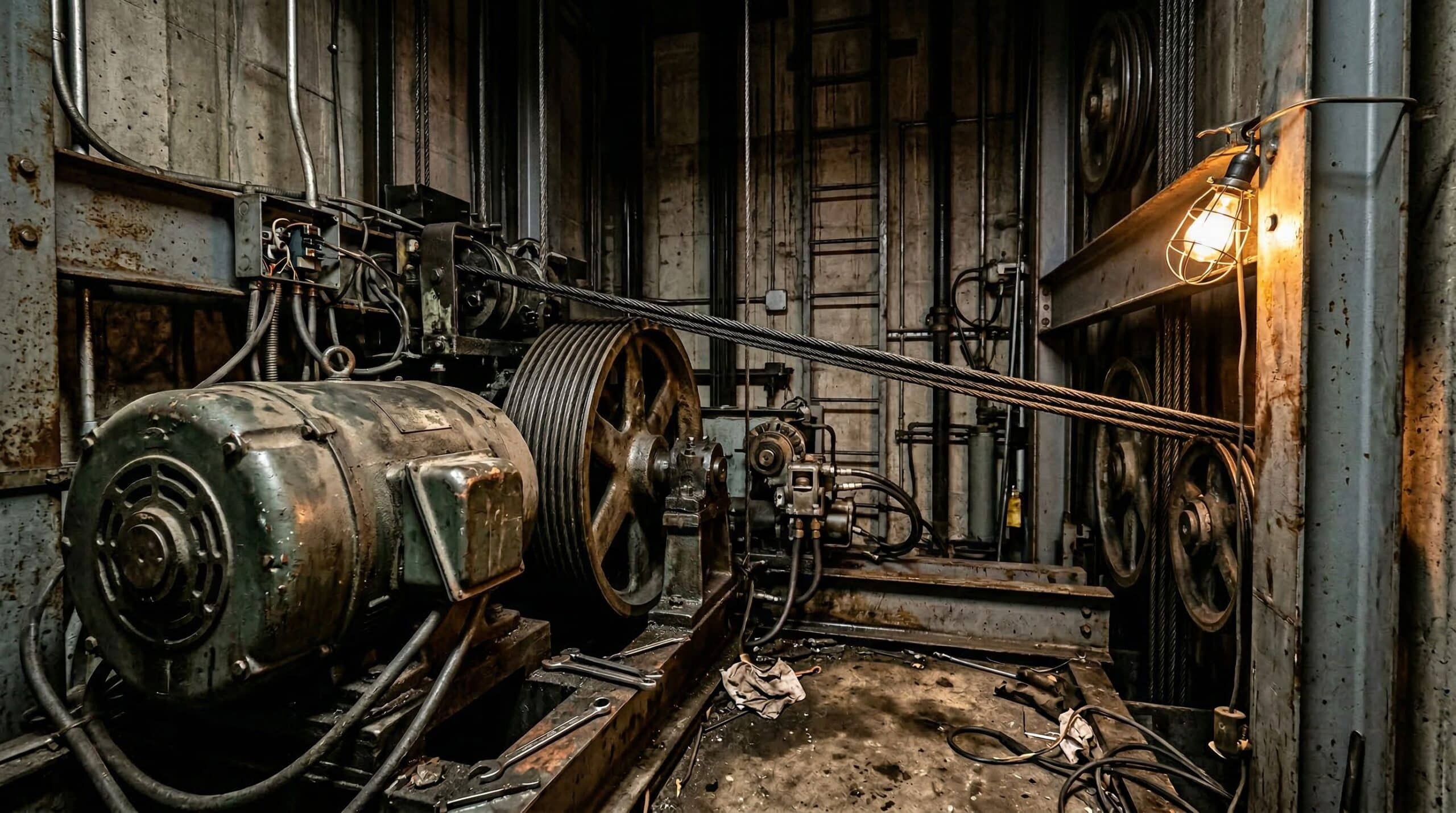
Successfully litigating an elevator case requires technical expertise that goes beyond typical personal injury law. At O’Connor Law, we work with independent mechanical engineers and elevator experts to dissect the data from the building’s maintenance logs and inspection reports.
We specifically look for gaps in the mandated Category 1 (annual) and Category 5 (five-year) load tests. Many Manhattan buildings now use “remote monitoring systems” that record every floor stop and door cycle. We act quickly to secure these digital records, which often reveal that an elevator was exhibiting warning signs—like slipping or slow door response—long before it actually caused an injury.
Securing Compensation: Beyond Medical Bills and Lost Wages
The physical and emotional toll of an elevator accident can be long-lasting. In New York, victims are entitled to seek compensation for both their economic and non-economic losses. This includes:
- Past and Future Medical Expenses: Covering everything from the initial ER visit to ongoing physical therapy.
- Lost Wages and Diminished Earning Capacity: If your injuries prevent you from returning to work in a high-paced Manhattan career.
- Pain and Suffering: Compensation for the physical pain and the emotional trauma, such as PTSD or a lasting fear of elevators, that often follows a serious malfunction.
While the standard statute of limitations for personal injury in New York is three years, this window is drastically shorter if the building is owned by a government agency like the NYC Housing Authority (NYCHA) or the MTA. In those cases, a “Notice of Claim” must often be filed within 90 days of the accident.
Contact a Manhattan Elevator Accident Attorney
No one should have to fear for their safety when stepping into an elevator. If a building owner’s negligence has caused you harm, you deserve a legal team that understands the high-rise landscape of Manhattan and the intricate laws that protect passengers. At O’Connor Law, we have the resources and the dedication to take on powerful property owners and their insurance companies to secure the justice your family needs.
We offer free consultations to evaluate your case and determine the best path forward for your recovery. We work on a contingency fee basis, so you only pay if we win. Don’t let a negligent building owner’s mistake derail your future. Contact O’Connor Law today to speak with a dedicated Manhattan elevator accident attorney and let us help you take the first step toward the compensation you deserve.