 Skip to Content

What Are Your Rights After a Slip-and-Fall Injury in Brooklyn?
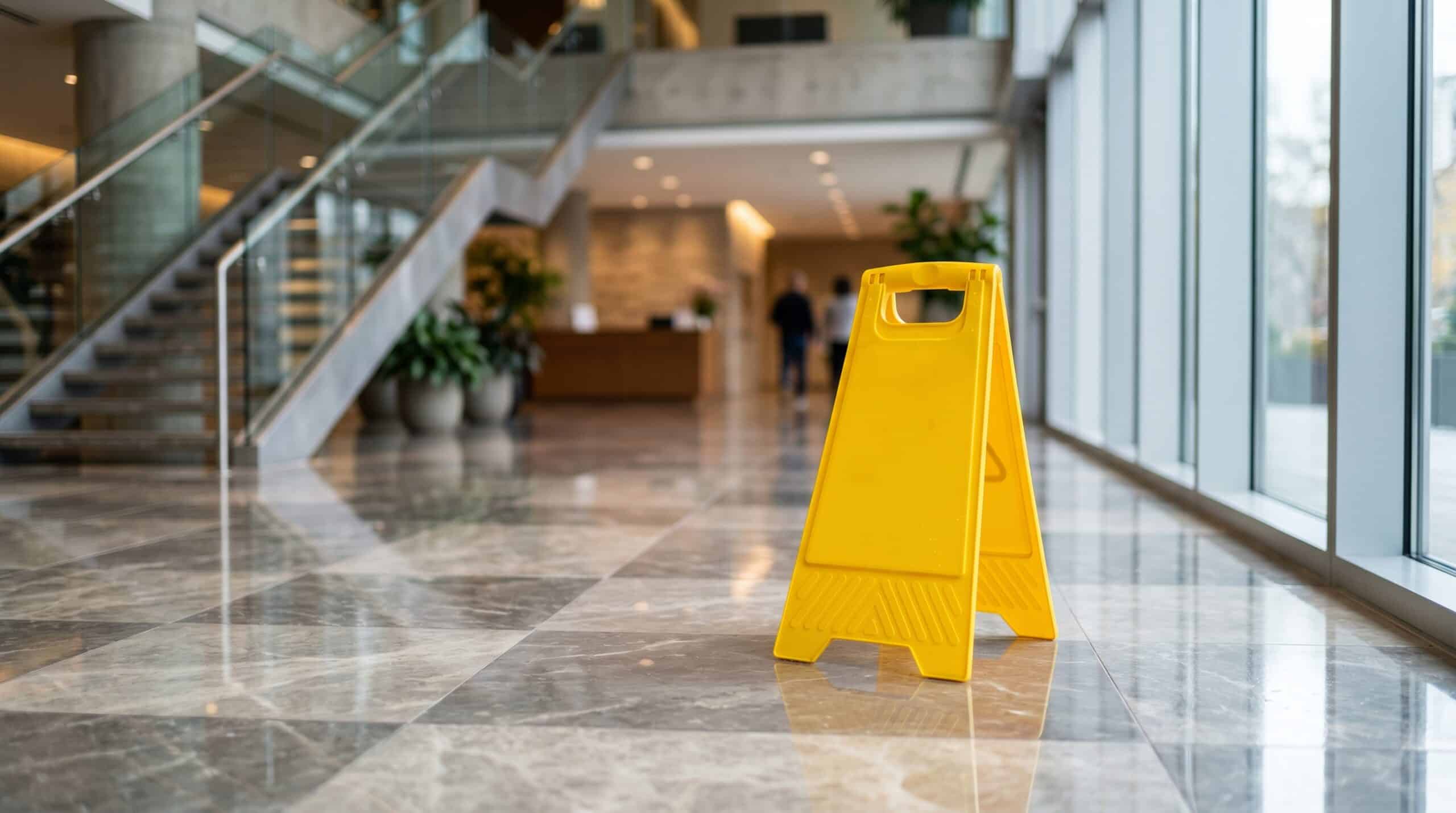
What Are Your Rights After a Slip-and-Fall Injury in Brooklyn?
Yes, a Brooklyn slip-and-fall injury can make a property owner liable when they fail to keep their premises reasonably safe. Under New York law, the controlling standard comes from Basso v. Miller (NY premises liability standard), which established that a landowner owes all lawful visitors a duty to keep the property in a reasonably safe condition given the circumstances. That duty applies whether you slipped on a wet supermarket floor, tripped on a broken stair in an apartment building, or fell on a cracked sidewalk in front of a brownstone.
Brooklyn is one of the most densely populated boroughs in the city, and its mix of aging residential buildings, busy retail corridors, and heavily used subway stations creates conditions where preventable injuries happen every day. Falls are a leading cause of serious injury across all age groups, and CDC fall prevention data confirms they send millions of Americans to emergency rooms each year. If you were hurt on someone else’s property in Brooklyn, you have legal rights worth understanding before you talk to an insurance adjuster or sign anything.
What Premises Liability Means Under New York Law
The Reasonable Care Standard
Premises liability is the area of personal injury law that holds property owners and occupiers responsible for injuries caused by unsafe conditions on their land or in their buildings. The duty isn’t to guarantee perfect safety. It’s to act the way a reasonably careful owner would under the same circumstances: inspecting the property, fixing known hazards, and warning visitors about dangers that can’t be fixed right away.
New York courts have applied this reasonable care standard consistently since Basso v. Miller (NY premises liability standard) was decided. The standard collapsed the older distinctions between invitees, licensees, and trespassers into a single unified duty, which generally means the analysis centers on what the owner knew or should have known about the dangerous condition.
Who Counts as a Visitor
In Brooklyn, a visitor can be a tenant in a residential building, a customer at a retail store, a passenger on a subway platform, a delivery worker, or even a social guest. The owner’s duty extends to each of these categories, though the specific facts of how the hazard came about and how long it existed will shape whether the owner can be held responsible.
Common Hazards That Trigger Liability
Hazards that routinely lead to Brooklyn premises liability claims include wet or slippery floors, broken stairs or handrails, uneven sidewalk slabs, poor lighting in hallways, and debris left in aisles or walkways. The condition doesn’t have to be dramatic to matter legally. A slightly raised floor tile or a small wet patch near a grocery entrance can be enough if the owner had notice and didn’t act.
The Four Elements You Must Prove in a Brooklyn Premises Liability Case
Duty, Breach, Causation, Damages
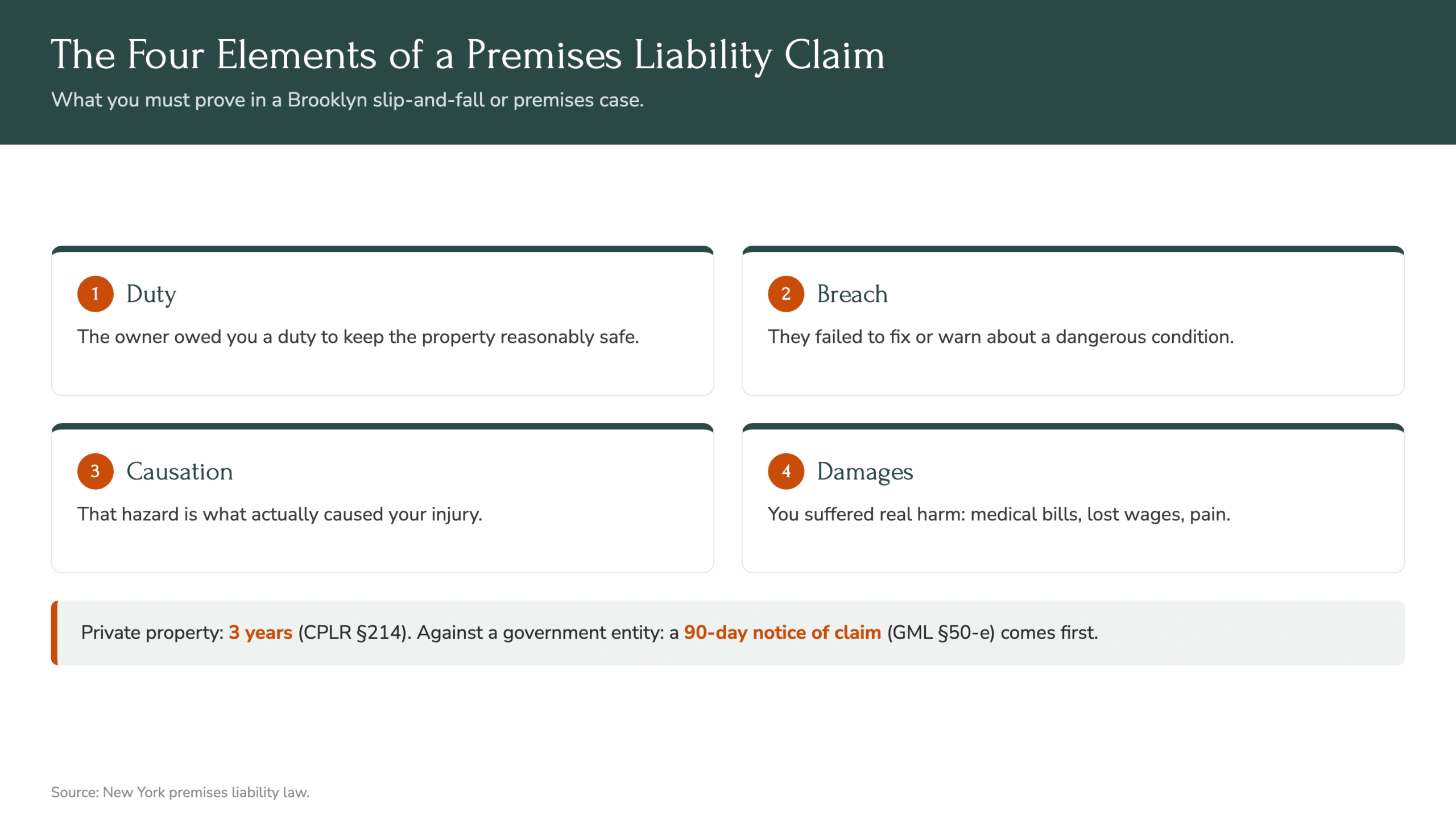
Every successful premises liability claim in New York rests on four elements. First, you have to show the defendant owed you a duty of care as a lawful visitor or invited guest. Second, you have to show the defendant breached that duty by allowing a dangerous condition to exist. Third, you have to connect that breach to your injury through causation. Fourth, you have to document actual damages, meaning physical injuries, medical bills, lost wages, or other measurable harm.
Each element needs evidence. Witness statements, surveillance footage, maintenance records, and incident reports all matter. Proving breach usually means showing the owner either created the hazard, had actual notice of it, or should have found it through reasonable inspection.
The Notice Requirement Explained
Notice is often the most contested element in Brooklyn slip-and-fall cases. Actual notice means the owner was directly told about the problem or created it themselves. Constructive notice means the condition existed long enough that a reasonable owner doing regular inspections would have found it. Courts look at how visible the hazard was, how long it existed, and whether the owner had a regular inspection or cleaning schedule.
Common Types of Brooklyn Premises Liability Claims
Residential Buildings and Landlord Liability
Brooklyn’s vast stock of apartment buildings, brownstones, and multi-family homes generates a big share of premises liability claims. Landlords and building owners are required to keep common areas, stairwells, lobbies, and exterior walkways in safe condition. When a tenant or guest is injured because a landlord ignored a known repair or never replaced a broken fixture, that landlord may be liable. Our team handles Brooklyn apartment building accidents and knows how to investigate building maintenance histories and code violations.
Retail Stores and Supermarket Aisles
Retail premises, including grocery stores, pharmacies, and large-format retailers, have a continuous duty to inspect their floors, clean spills promptly, and warn customers about wet surfaces. Supermarket aisle slip-and-falls are among the most common premises cases in Brooklyn. These claims often come down to how long the spill or hazard was present and whether the store kept a documented inspection log showing reasonable maintenance.
Subway Stations and Public Transit
Subway stations in Brooklyn range from historic to modern, and many involve wet staircases, broken platform edges, and poor lighting. Claims against the Metropolitan Transportation Authority come with specific procedural rules, including tight notice requirements, that differ from ordinary private-property cases. Acting quickly with legal help is essential when the MTA or any public agency is involved.
Where Most Brooklyn Premises Injuries Happen: Apartments, Subway Stairs, Sidewalks, and Retail Stores
Sidewalk Falls and Property Owner Responsibility
Sidewalk liability in New York City is governed by NYC Administrative Code §7-210 (sidewalk responsibility), which requires most property owners to keep the sidewalk next to their property in a reasonably safe condition. So if you trip on a raised or cracked sidewalk slab in front of a Brooklyn home or commercial building, the abutting property owner, not necessarily the city, may be the one liable. The city offers guidance on sidewalk responsibilities through NYC 311 sidewalk responsibility.
Apartment Building Common Areas
Common areas in Brooklyn apartment buildings, including lobbies, stairwells, elevators, and rooftop terraces, are the building owner’s responsibility. Injuries from broken handrails, burnt-out hallway lights, slippery lobby floors after rain, and unsecured entry doors that let in criminal activity can each form the basis of a premises claim. Documented complaints to building management or the city’s housing enforcement agency can serve as evidence that the owner had notice.
Retail Stores and Commercial Properties
High-traffic commercial properties like supermarkets, convenience stores, and big-box retailers see a disproportionate share of slip-and-fall injuries. Stores that fail to put out wet-floor signs, leave merchandise on walking surfaces, or neglect to repair torn entrance mats create foreseeable hazards for shoppers. Preserving the evidence, including photographs of the scene and the condition of your footwear, is critical in these cases.
Steps to Take After a Brooklyn Slip-and-Fall or Premises Injury
Taking the right steps in the hours and days after a premises injury can protect both your health and your legal claim. The actions below apply whether you were hurt in an apartment building, a subway station, a retail store, or on a public sidewalk in Brooklyn.
- Seek medical attention right away, even if your injuries feel minor. A prompt medical record creates a documented link between the incident and your physical condition.
- Report the incident to the property owner, manager, store supervisor, or transit authority representative before you leave the scene, and ask for a written copy of the incident report.
- Photograph the hazard, the surrounding area, any posted warning signs (or their absence), your clothing and footwear, and any visible injuries before conditions change.
- Collect the names and contact information of any witnesses who saw the fall or know about the condition that caused it.
- Preserve all physical evidence, including the shoes you were wearing, and don’t repair or discard any item that could serve as evidence.
- If a government entity like the City of New York or the MTA may be responsible, talk to an attorney immediately, because NY General Municipal Law §50-e (notice of claim) requires a formal notice of claim to be filed within 90 days of the incident.
- Talk to a Brooklyn slip-and-fall lawyer before speaking with any insurance adjuster, since early recorded statements can be used to limit or deny your recovery.
How Comparative Negligence Affects Your Brooklyn Premises Claim
New York’s Pure Comparative Fault Rule
New York follows a pure comparative negligence rule, which means that even if you’re found partly responsible for your own injury, you can still recover damages. Your recovery is simply reduced by your percentage of fault. If a jury finds you were 30 percent at fault for not paying attention, and your total damages are $100,000, you would recover $70,000.
Property owners and their insurance companies often argue that injured visitors were distracted, wearing the wrong footwear, or ignored visible warning signs. The point of those arguments is to reduce the defendant’s exposure. Having documentation of the scene and the hazard makes it harder for the defense to shift blame unfairly.
How Fault Is Allocated in Practice
In Brooklyn premises cases, fault allocation comes down to the specific facts of what each party knew and did. If the hazard was open and obvious, the property owner may argue it wasn’t required to warn you about it. Courts weigh how obvious the danger was against the owner’s overall duty to keep the property safe. Comparative negligence doesn’t take away your right to recover; it affects the final amount.
Statute of Limitations and Notice of Claim Deadlines
The Three-Year Filing Window
For most private-property premises liability claims in New York, NY CPLR §214 (statute of limitations) gives you three years from the date of injury to file a lawsuit. That means a fall happening today gives you until the same date three years from now to start a legal action in court. Miss this deadline and you almost always lose your right to sue for good, no matter how strong your case is.
Government Property and the 90-Day Notice Rule
When your injury happens on property owned or controlled by a government entity, the deadline rules are far shorter. NY General Municipal Law §50-e (notice of claim) requires you to file a formal notice of claim with the relevant agency within 90 days of the incident. This applies to falls on City of New York sidewalks (where the city keeps responsibility), public parks, public schools, and MTA-controlled subway stations. Fail to file this notice on time and you’re barred from suing the government entity later, even if the three-year window under NY CPLR §214 hasn’t expired yet.
Because government liability cases run on tighter timelines, contacting a lawyer as soon as possible after a fall on any public or government-owned Brooklyn property isn’t just a good idea, it’s often essential to protecting your claim. Our team can help you figure out who owns the property and which deadlines apply to your specific situation. For a broader overview of your rights after a fall, you can also review our NYC slip and fall injury book.
Contact O’Connor Injury Law for Brooklyn Premises Liability Help
If you were injured on someone else’s property in Brooklyn, you deserve to know what your claim is worth and how New York law protects you. O’Connor Injury Law serves injured residents throughout Brooklyn and the surrounding boroughs, handling slip-and-fall cases, apartment building injuries, retail store accidents, and sidewalk falls from intake through resolution.
Our team will review the facts of your case, identify the responsible parties, and walk you through every deadline, from the 90-day notice of claim requirement for government properties to the broader filing window under NY CPLR §214 (statute of limitations). You pay nothing unless we recover for you.
To speak with a Brooklyn PI lawyer at O’Connor Injury Law about your premises liability case, call our Brooklyn office today at +1-718-878-4220. We’re ready to listen and help you take the next step.
FAQs